Storm Restoration Services
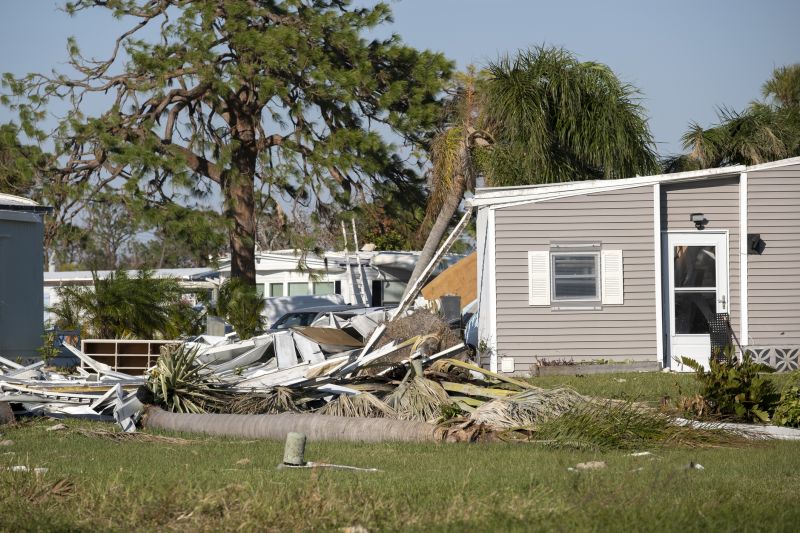
Conducting inspections immediately after storms helps identify damages early and plan restorations effectively.

Scheduling restorations during calmer months reduces disruptions and allows for thorough repairs.
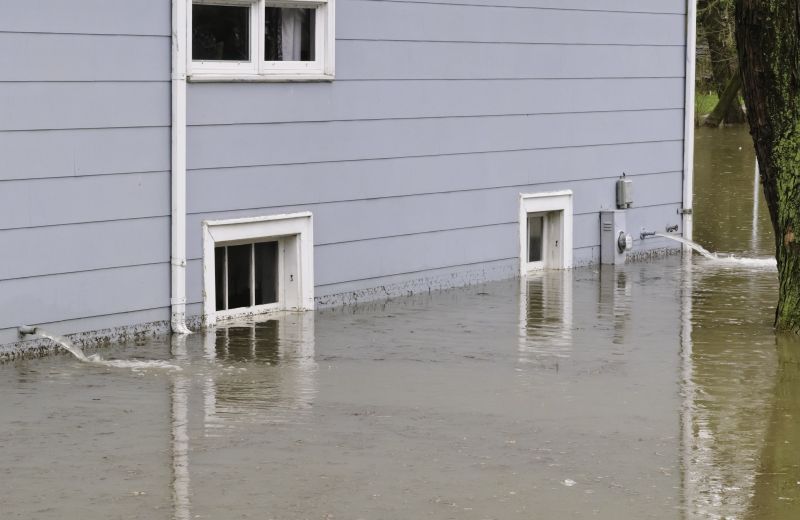
Preparing properties before storm seasons can mitigate damage severity and facilitate quicker restoration if needed.

Ways to make Storm Restorations work in tight or awkward layouts.

Popular materials for Storm Restorations and why they hold up over time.

Simple add-ons that improve Storm Restorations without blowing the budget.

High-end options that actually feel worth it for Storm Restorations.
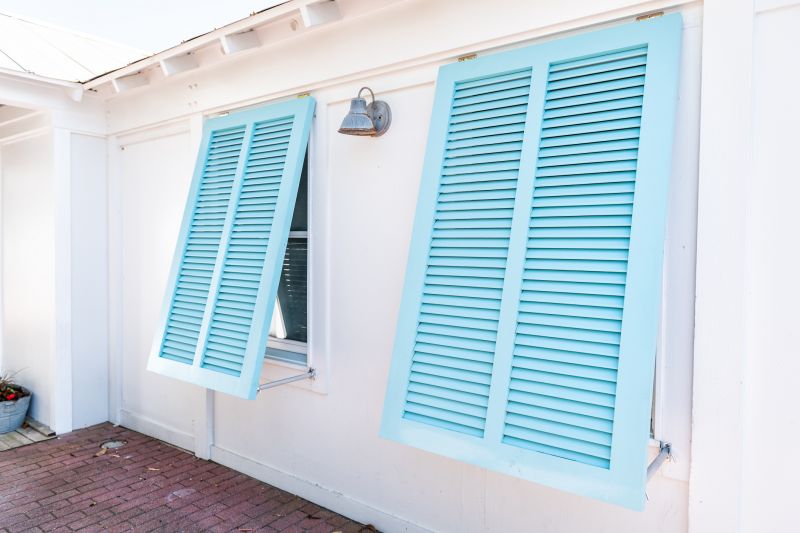
Finishes and colors that play nicely with Storm Restorations.
Storm restorations involve repairing and restoring properties damaged by severe weather events such as hail, wind, and heavy rain. These processes are essential for maintaining structural integrity, safety, and property value. Effective storm restoration can significantly reduce long-term repair costs and prevent further damage caused by unresolved issues.
Evaluating the extent of damage is crucial immediately after a storm to prioritize repairs and allocate resources effectively.
Restoration projects are often more successful during milder weather months when conditions are favorable for repairs.
Rapid response to storm damage can prevent secondary issues such as mold growth or structural deterioration.
Prompt documentation and assessments can streamline insurance claims and expedite restoration work.
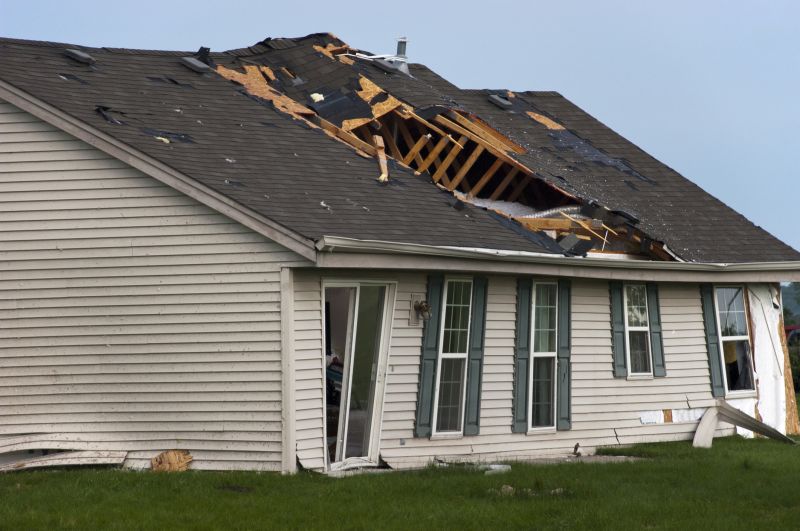
Restoration involves fixing roofs, siding, windows, and other structural elements affected by storms.
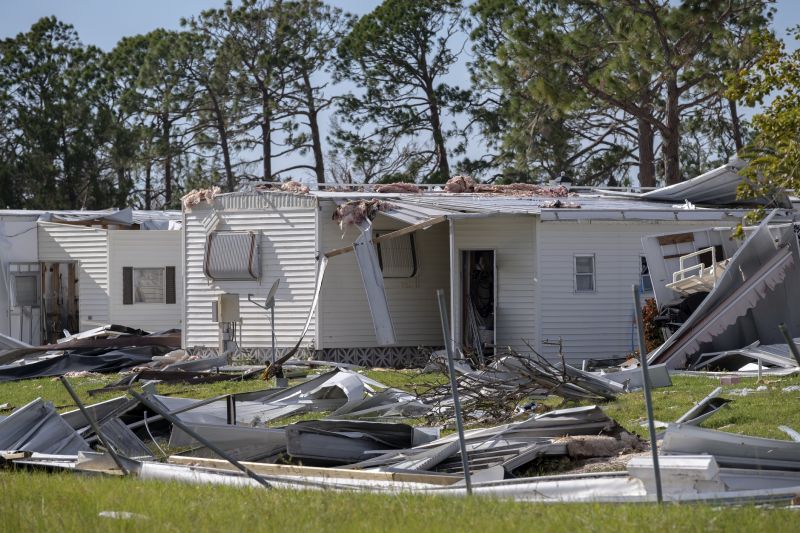
Hail and wind can severely damage roofs, making timely repairs essential for safety and protection.
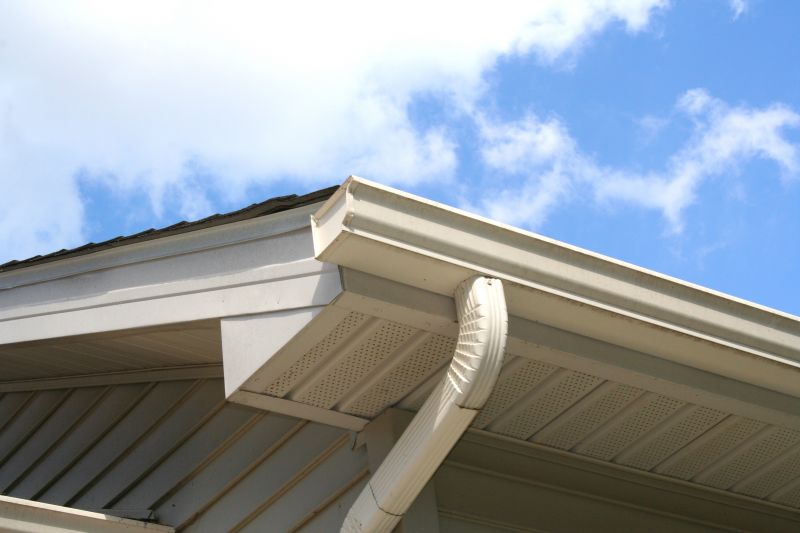
Siding, gutters, and outdoor fixtures often require attention post-storm to prevent further issues.
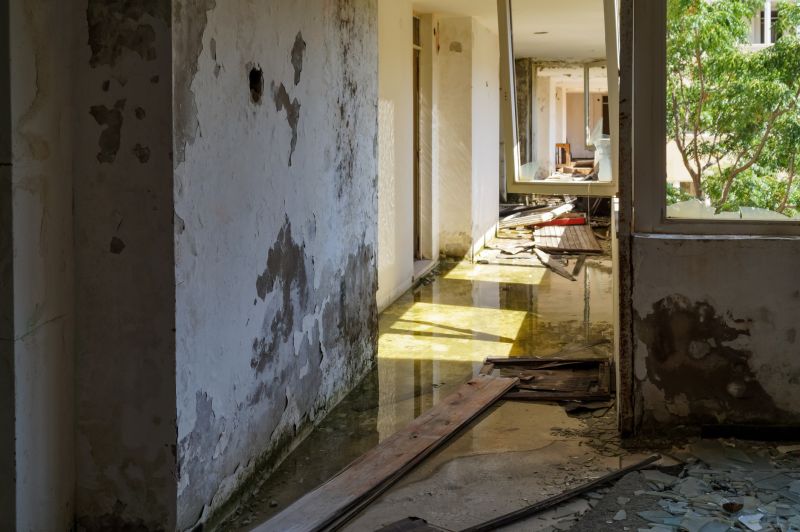
Water intrusion and wind can cause interior damage, necessitating comprehensive restoration services.

Little measurements that prevent headaches on Storm Restorations day.

A 60-second routine that keeps Storm Restorations looking new.

A frequent mistake in Storm Restorations and how to dodge it.

Small tweaks to make Storm Restorations safer and easier to use.
| Aspect | Details |
|---|---|
| Post-Storm Inspection | Conducted immediately after storms to assess damage. |
| Off-Season Scheduling | Restorations planned during calmer weather months. |
| Pre-Storm Preparation | Measures taken before storms to minimize damage. |
| Emergency Response | Rapid repairs to prevent secondary damage. |
| Insurance Coordination | Aligning restoration with claim processes. |
| Material Planning | Timing of material delivery and installation. |
| Community Planning | Coordination for larger-scale storm response. |
| Monitoring Weather | Using forecasts to plan restoration activities. |

Evaluating property damage promptly after storms.
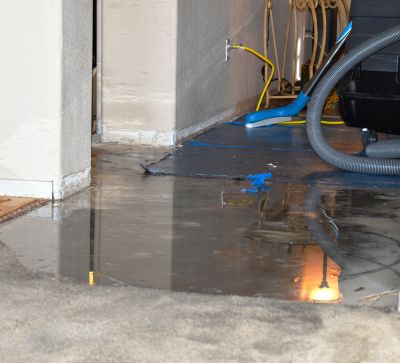
Utilizing specialized tools for efficient repairs.

Tracking weather to schedule repairs optimally.
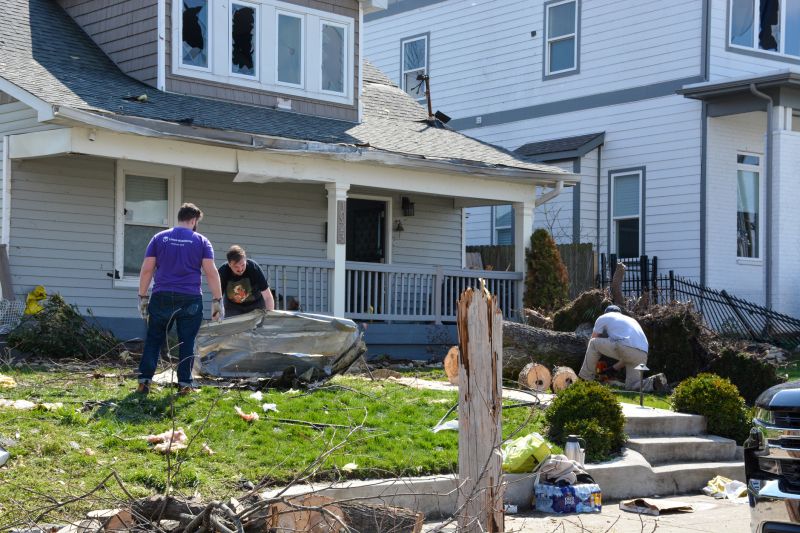
Implementing measures to prevent further damage during storms.

The short, realistic tool list for quality Storm Restorations.

Rough timing from prep to clean-up for Storm Restorations.

Quick checks and paperwork to keep after Storm Restorations.
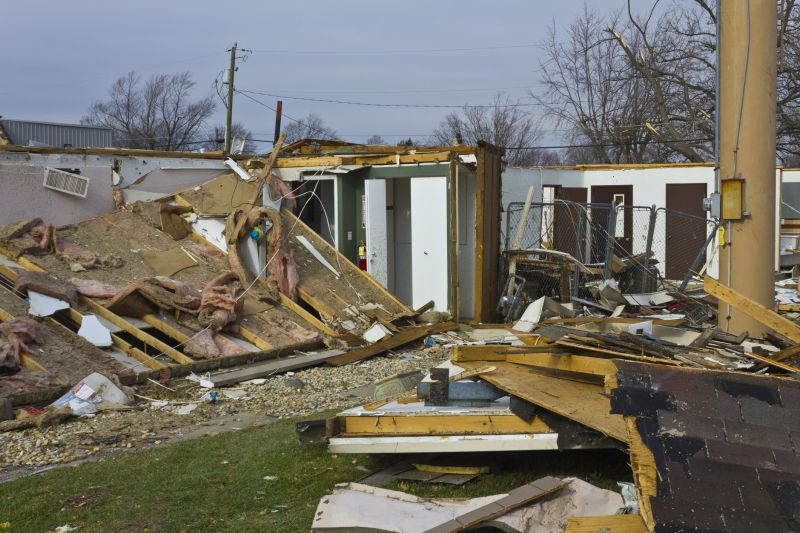
Examples that show the impact a good Storm Restorations can make.
Effective storm restorations depend on timely assessment, planning, and execution. Recognizing the optimal periods for repairs—typically during mild weather seasons—can lead to better outcomes, reduced costs, and minimized disruption. Proper preparation and swift response are vital components of a successful restoration strategy.
Individuals interested in storm restoration services are encouraged to contact for further information. Providing detailed assessments and tailored solutions can help ensure properties are resilient against future storms and damages are restored efficiently.